
Stop Guessing Your Sunglasses Tint: Category 1 vs 2 vs 3
Let’s be real: nobody walks into a sunglasses store thinking, “I can’t wait to compare luminous transmittance factors.” But then you spot it on the inside of the arm: Category 1. Category 2. Category 3. Suddenly, it feels like you’re choosing a Netflix plan instead of scoring a new look. Is a 3 better than a 1? Does a 1 even do anything? Don’t worry. It’s actually simple. Once you get the logic, picking your next pair for a weekend in Sitges or a bike ride through Antwerp becomes effortless.
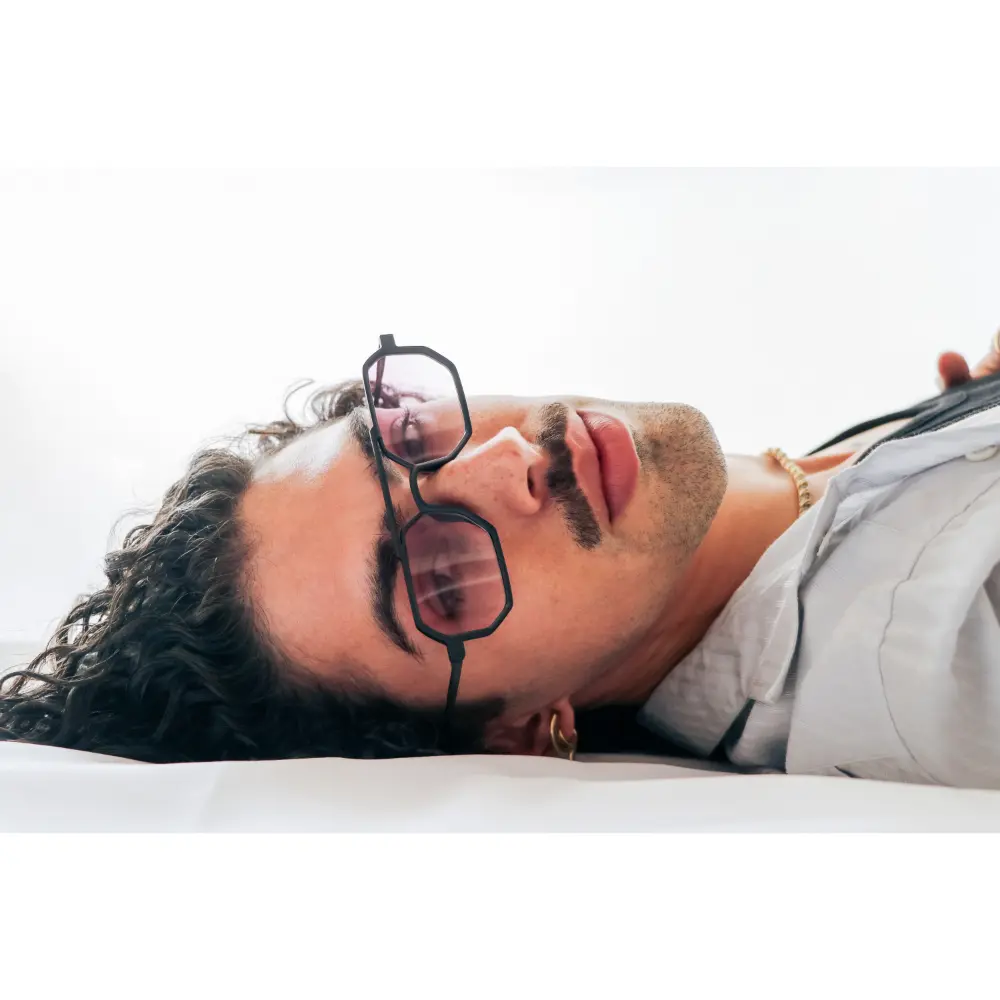
The 100% Rule: Protection vs. Tint
Before we dive into the numbers, let’s clear up the biggest myth in the game: Darker does not mean safer. UV protection is a clear chemical filter applied to the lens. It’s like invisible sunscreen for your retinas. At Shady Shack, every single pair features 100% UVA and UVB protection. The “Category” is simply about the tint: how much visible light the lens lets through. It’s about eye comfort and looking iconic, not safety. With us, safety is a given.
What is the difference between Category 1, 2, and 3 sunglasses?
The main difference between UV categories is the amount of visible light the lenses filter. Category 1 has a light tint for low sun; Category 2 is a medium tint for everyday wear; and Category 3 is a dark tint for intense sunlight and beach days. Regardless of the category, all Shady Shack lenses provide 100% UV protection.
Breaking Down the Categories
Here’s how each UV category sunglasses tint translates to real life. Each step up means a darker lens, but as the 100% rule reminded us, every category here has full UV protection. The category just changes how much visible light reaches your eyes. That’s what makes one feel right for a bright terrace afternoon and another for an overcast city walk.
- Category 1: The “Golden Hour” Vibe. These lenses have a light tint. They’re the “fashion first” choice. Think 70s rockstar vibes: light yellows, pale pinks, or soft blues. Perfect for overcast days or looking dangerous indoors.
- Category 2: The “Everyday Hero”. The sweet spot. Not too light, not too dark. Like that perfect iced coffee on a terrace. Handles “normal” sun perfectly without feeling like you’re underground.
- Category 3: The “High Noon” Legend. Total privacy. This is for when the sun is doing the absolute most and you simply refuse to squint. These are your heavy hitters for beach days or intense summer afternoons.
Choose Your Mood: Lens Color Theory
The category tells you the darkness, but the color tells you the mood:
- Amber & Brown (The Optimists): These are the “Retro Filters.” They block blue light and make everything look warm and glowing.
- Grey & Green (The Realists): These don’t distort colors; they just dim the world evenly. Ideal for a Category 3 beach day.
- Yellow & Rose (The Detailers): Usually Category 1. They make the world pop in low light. The ultimate choice for the late-night city wanderer.
The Driving Dilemma
Most Category 2 and 3 lenses are your best friends on the road. They cut glare and keep your eyes relaxed. However, avoid Category 4 (mountain lenses). They are too dark for safe driving. At Shady Shack, we stick to Categories 1–3 to keep you looking dangerous but driving safe.
Quick side note: clear-lens “computer glasses” have nothing to do with sunglasses categories. If you’re after better visibility after dark, that’s a different conversation with your optician.
Shady Quick-Fire FAQ
Want to know more about choosing the right sunglasses? Read our guide on how sunglasses should fit or explore our full collection. For lens category standards, the ISO 12312-1 standard covers eye and face protection requirements for sunglasses.
Which category is best for everyday wear?
Category 3. It blocks 82-92% of visible light, which fits most sunny days in Amsterdam, Antwerp or Sitges. Category 2 works if you spend more time in semi-shade or under broken clouds.
Can you wear Category 3 sunglasses at night?
No. Category 3 is too dark for low light and unsafe for night driving. Stick to Category 1 or 2 if you want a tinted lens after sunset.
Do all UV category sunglasses block UV rays?
Every pair sold under the EU’s EN ISO 12312-1 standard includes UV protection. The category itself only describes lens darkness, not the UV filter. That’s why even a clear Category 0 lens can block UV. Always check the label for UV400 (or “100% UV”) if you want maximum coverage.